


Cabin & House Paint by Numbers
4.6109.00 Reviews
App Specs
- Version
- 1.0.8
- Updated On
- License
- Free
- Downloads
- 100,000+
- Developer
- Joyarc Coloring Games
- Categories
- Board
- Platform
- Android
Screenshots
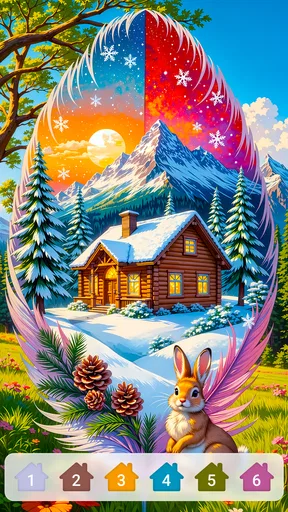
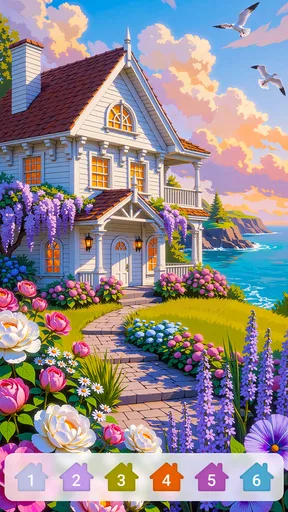
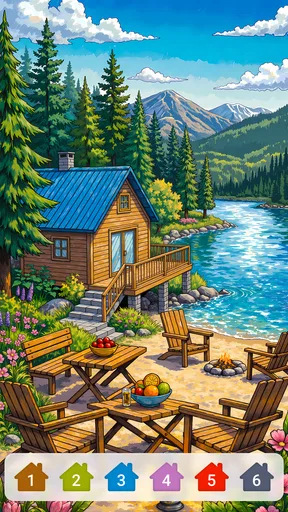
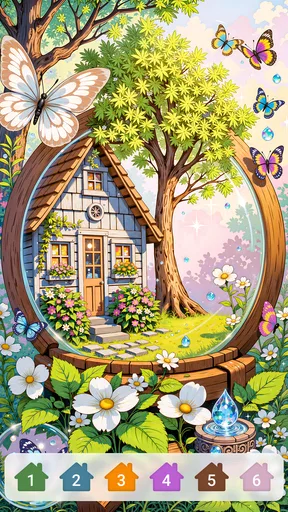
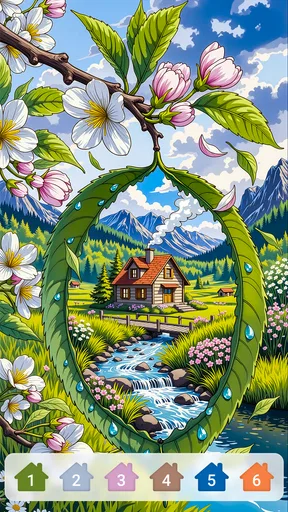
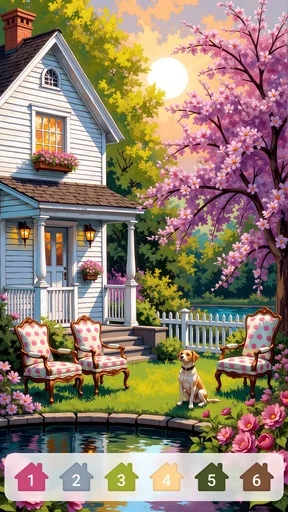
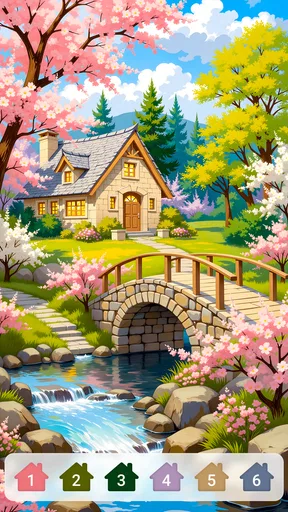
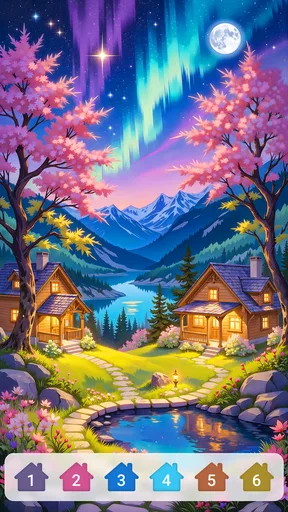
 Analysis by AppCompare
I approached Cabin & House Paint by Numbers expecting a gentle board game built around familiar coloring mechanics, and that is exactly where it feels most comfortable. Instead of asking me to solve a complicated puzzle or compete against another player, it gives me a quiet cabin-and-cottage setting to explore through numbered coloring scenes. The appeal is less about challenge and more about the steady satisfaction of turning an outlined picture into a finished room, house, or countryside view.
That makes it an easy game to understand, but not automatically the right choice for everyone. I would recommend it to someone who enjoys paint by number games, decorative scenes, and short relaxing sessions. I would be more cautious about suggesting it to players who want strategy, social competition, or a deep progression system. Its strongest quality is the calm routine it creates, while its main limitation is that the basic coloring format may eventually feel repetitive if you need constant novelty.
How the current version feels to play
At its core, this is a board-category game from Joyarc Coloring Games. The central activity is simple: choose a picture, follow the numbered areas, and gradually fill the scene with color. The cabin theme gives the experience a warmer personality than a collection of unrelated abstract drawings. I found myself paying more attention to the atmosphere because the subject matter suggests fireplaces, wooden interiors, cottages, and peaceful outdoor surroundings, even when the actual task remains straightforward.
The first few moments are accessible enough for almost anyone. You do not need to learn a complicated control scheme, memorize rules, or understand a story before starting. That matters when I want something I can open for a few minutes without preparing myself for a demanding session. The game is rated for Everyone, so its presentation is aimed at a broad audience rather than a narrow age group.
The numbered format also gives each image a natural rhythm. I usually begin by filling the larger, obvious areas, then move toward smaller sections that require more attention. That approach is useful when I am trying to relax, because progress remains visible even when I am not concentrating intensely. The unfinished picture provides just enough direction to keep me engaged without turning the activity into work.
What I like most is the combination of guidance and choice. The numbers tell me where a color belongs, but I still decide how I want to move through the image. I can clear easy sections first for quick progress, or work carefully through a detailed area when I want something more absorbing. That small freedom is important: the game is structured, but it does not feel like it is constantly pushing me toward one exact pace.
A practical fit for short breaks
My most realistic use case for this kind of game is an ordinary pause in the day. After answering messages or waiting for an appointment, I can open a scene, complete a handful of numbered spaces, and stop without losing the feeling of having accomplished something. It works better for that situation than a competitive board game that needs a full match or a puzzle that becomes frustrating when interrupted.
Worth Reading Before You Choose

EA SPORTS FC Mobile 26 Is a Bigger Football Game, but It Takes Time

Flipboard Shows What News Apps Must Do Beyond the Feed

Switching to Android Auto Means Rethinking Your Driving Routine

Google Calendar Makes a Crowded Week Easier to Manage

Ludo King Makes the Most of the Minutes Between Plans

Baby Panda World Brings Quick Play to Modern Phones, but Its Game Library Feels Busy
It can also suit an evening routine when I want screen time that feels quieter than scrolling through social feeds. The cabin theme supports that mood, although the game is still an interactive activity rather than a meditation tool. I would not describe it as a substitute for sleep or a completely screen-free break, but it does offer a more focused alternative to endlessly switching between apps.
For children, the uncomplicated format may be approachable, and the Everyone rating makes the age positioning clear. Still, I would treat it as a shared choice for younger players rather than assuming every child will enjoy it. Some children prefer fast action or immediate rewards, while this game asks for patience and repeated attention to small numbered areas.
What the version information tells me
The current version is 1.0.7, and the game was released on November 2, 2025. Those details place it in a relatively early stage of its life, so I see the present experience as a foundation rather than proof of a long-established catalog. That is not a criticism by itself. A focused first version can be pleasant when its main activity is polished, but players who expect a large, constantly changing collection may want to keep their expectations measured.
The visible audience response is encouraging: it holds a 4.6 average from around 700 ratings, with just over 100 written reviews. It has also passed 100K installs, which suggests that the concept is reaching more than a tiny group of early users. I would read those numbers as a positive signal about accessibility and general enjoyment, not as evidence that it will satisfy every type of board-game fan.
There is an important distinction here. A strong average rating can tell me that many people like the basic experience, but it cannot guarantee that the game has the depth of a traditional tabletop title. The category label may place it among board games, yet the actual appeal is closer to a guided digital coloring pastime than to chess, checkers, or a tactical tabletop adaptation.
How the cabin theme changes the experience
The setting is more than a decorative label because it gives the images a consistent emotional direction. A house or cottage scene naturally supports warm colors, wood textures, lamps, windows, gardens, and seasonal details. That makes the act of coloring feel connected from one image to the next, even if each picture is completed separately.
I find this more inviting than a game that presents random objects without a shared mood. When I return after a break, I know roughly what kind of atmosphere to expect. The trade-off is that anyone who prefers animals, fashion, fantasy characters, or highly varied subjects may find the theme narrow. The cabin focus is a strength for players who like cozy interiors and rural scenery, but it is also the clearest reason someone else might lose interest.
The theme can influence how I choose colors, even when the numbered system determines the correct areas. I tend to slow down around windows, furniture, and exterior details because those sections make the finished scene feel more complete. This is one of the less obvious benefits of a coherent subject: the reward is not only completing spaces, but seeing how the separate details combine into a recognizable place.
Useful ways to pace each picture
I get better results when I treat each image as a sequence of small tasks rather than trying to finish everything in one sitting. I often begin with broad areas, then switch to a different number when the current color starts requiring too much visual searching. This prevents the session from becoming a hunt for one tiny patch hidden in a crowded section.
Another useful habit is to pause before tapping rapidly through a detailed area. Number coloring can feel effortless on open sections, but small shapes make accidental taps more likely. Slowing down near windows, roof lines, furniture edges, or decorative objects keeps the final image cleaner and reduces the irritation of correcting mistakes.
I also recommend using the game as a low-pressure focus exercise rather than chasing speed. There is little value in rushing through a cottage picture if the reason for playing is to unwind. Completing one carefully chosen section can be more satisfying than opening several images and leaving each one half done. This approach is especially helpful for people who normally abandon casual games once the initial novelty fades.
Where it differs from usual alternatives
Compared with a traditional board game on a phone, this title has almost no learning curve and does not depend on an opponent. A chess or checkers app asks me to plan, respond, and accept the possibility of losing. Here, the numbered layout removes that pressure. The result is more predictable and more relaxing, but also less intellectually demanding.
Compared with a general digital coloring app, the numbered structure gives me clearer direction. I do not have to decide every color from scratch or worry about producing an artistic result. That makes it a better fit when I want guided progress. On the other hand, a free-form coloring app is the better option if I want to experiment with my own palette, draw outside predefined outlines, or express a personal style.
It also differs from puzzle games that use levels, timers, or increasingly difficult logic. The challenge here comes mainly from attention and completion. If I am looking for a measurable test of memory, deduction, or planning, I would choose something else. If I want a calm activity with a visible before-and-after transformation, this format is more suitable.
What existing users should expect from the current state
Someone already enjoying the game will probably appreciate its consistency more than dramatic change. The version number shows that it is still early, but the available evidence points to a concept that is already understandable and usable rather than an unfinished experiment. I would return to it for the same reason I return to a familiar coloring book: the value comes from the mood and routine, not from learning a completely new system every time.
New users should know that the free entry point makes trying it easy, while optional in-app purchases range from $0.99 to $39.99 per item. That is worth considering before becoming invested in a large collection or treating the game as a long-term hobby. I would start without spending, see how much content and relaxation I actually get from the free experience, and only then decide whether an optional purchase feels worthwhile.
The purchase range also changes how I would recommend it to families. Because the game is rated Everyone, it may look appropriate for shared use, but adults should still pay attention to purchase settings on the device. The important point is not that buying is required; rather, the presence of optional items means the game should be approached with the same spending awareness as other free mobile titles.
Remaining friction and limitations
The biggest limitation is inherent in the format: once I understand the numbered coloring loop, the interaction does not demand much strategic growth. The cabin theme helps maintain interest, but it cannot completely remove the possibility of repetition. Players who need new mechanics, competitive goals, or a strong narrative may feel that the experience settles into a routine too quickly.
There is also a difference between relaxing repetition and boring repetition. For me, the game works when I am in the mood to repeat a familiar action. On a day when I want stimulation, the same simplicity can feel underpowered. That makes it a situational recommendation rather than a universal one. I would keep it alongside more demanding games instead of expecting it to replace them.
The early release position adds another consideration. A version such as 1.0.7 may develop over time, but I would judge the game by what it offers now rather than by imagined future additions. It is reasonable to hope for broader scene variety or refinements later, yet those possibilities should not be treated as current features. For now, the decision rests on whether the existing cabin-centered coloring loop already appeals to you.
I would also avoid confusing completion with creativity. The game gives me the satisfaction of finishing an illustration, but the numbered instructions limit artistic control. That is ideal when I want guidance and a clean result. It is not ideal when I want to choose unusual colors, redesign a room, or create something that reflects my own drawing ability.
What I would watch as the game develops
For future updates, I would pay attention to how Joyarc Coloring Games expands the cabin world without losing its calm identity. More variety would be useful, but random expansion could weaken the strongest feature: the sense of a consistent warm setting. The best direction would be broader situations within the same world, such as different rooms, outdoor views, and seasonal cottage details that still feel connected.
I would also watch how the current version handles the balance between accessible free play and optional purchases. A good experience should let newcomers understand the appeal before asking them to spend. Since the game is free and includes purchasable items, that balance will matter to anyone considering it as a regular pastime rather than a one-time download.
Finally, I would look for signs that returning players have meaningful reasons to continue. New pictures can be enough for some people, especially when the artwork remains appealing, but long-term interest is stronger when the collection feels thoughtfully organized. I would rather see carefully matched cabin scenes than a large number of disconnected images that only increase quantity.
Who should install it
I think this is a good choice for someone who wants a gentle coloring game for short breaks, enjoys cottage aesthetics, and prefers progress without failure screens. It is especially approachable if you like the structure of paint by numbers but do not want to make every artistic decision yourself. The low-pressure format makes it easy to share with a family member or recommend to a friend who is new to mobile games.
I would skip it if your definition of a board game involves tactical competition, multiplayer matches, or difficult decisions. I would also point creative users toward a free-form coloring tool if personal color selection matters more than guided completion. Likewise, players who quickly tire of repeating one interaction should try it only with modest expectations.
For my own use, the best way to approach it is as a cozy digital coloring book with a board-game classification, not as a strategic board title. That description sets the right expectations and explains both its charm and its limits. I can open it when I want a quiet task, complete a scene at my own pace, and leave without feeling that I have missed an important competitive moment.
Overall, I find the game pleasant because it understands its narrow purpose. The cabin-and-house setting gives the numbered coloring routine a recognizable character, while the simple controls make it welcoming from the start. Its 4.6 average and growing install base support the idea that the formula works for many players, but the real question is whether you enjoy calm repetition.
My recommendation is simple: try it if warm cottage imagery and guided coloring sound relaxing, and begin with the free experience before considering optional purchases. I would not present it as a replacement for a serious board game or a full drawing app. I would present it as a focused, easygoing way to spend a few quiet minutes, with enough atmosphere to make a familiar mechanic feel personal.
Pros
- Relaxing coloring gameplay suitable for short or extended sessions.
- Large selection of cabins
- cottages
- and scenic house illustrations.
- Simple tap-to-color controls make it accessible for beginners.
- Completed artworks can be saved and shared with others.
- Helpful hints make difficult or hidden color areas easier to find.
Cons
- Some detailed pictures can take considerable time to complete.
- Hints and extra tools may be limited unless you watch ads or pay.
- The app may feel repetitive for players seeking deeper gameplay.
- Ads can interrupt the coloring experience between or during activities.
- A stable internet connection may be needed for new content and rewards.
FAQs for Cabin & House Paint by Numbers
What is Cabin & House Paint by Numbers?
Cabin & House Paint by Numbers is a relaxing coloring game focused on homes, cabins, rooms, and cozy architectural scenes. You select an image, choose numbered colors, and fill the matching sections by tapping on the screen. It is designed for casual play, creative relaxation, and completing detailed illustrations without requiring traditional drawing skills.
Is Cabin & House Paint by Numbers free to download and play?
The game can generally be downloaded for free, but some images, tools, or convenience features may be restricted behind advertisements or optional in-app purchases. The available free content can vary between Android and iOS versions and may change after updates. Before downloading, check the store listing for current pricing, subscriptions, and any additional purchase requirements.
Does the game require an internet connection?
An internet connection may be needed for the initial download, advertisements, updates, cloud features, or access to newly released coloring pictures. Some previously downloaded artworks may remain playable offline, although this depends on the version and how the game handles its content. If offline use is important, test the app after installation before relying on it without Wi-Fi or mobile data.
Is Cabin & House Paint by Numbers suitable for children?
The simple tap-to-color controls make Cabin & House Paint by Numbers accessible to many children, teenagers, and adults. However, parents should review the app-store age rating, advertising, privacy information, and in-app purchase settings before allowing younger users to play. Some scenes or promotional content may not be specifically designed for very young children.
What features and limitations should I expect before downloading?
Players can expect a collection of home-themed illustrations, numbered color sections, completed-picture rewards, and a calm, repetitive gameplay style. The experience is more about relaxation than challenge or storytelling. Common limitations may include frequent advertisements, locked premium pictures, optional purchases, repetitive tapping, and occasional performance differences depending on the device and operating-system version.


